 By smartcubs
 Hard water is a common concern in many Indian households. While it may appear clean, it often contains high levels of dissolved minerals such as calcium and magnesium. Over time, these minerals can affect your plumbing, household appliances, and even your daily cleaning routine. Although hard water is generally safe to drink, its long term impact on your home can lead to higher maintenance costs and reduced appliance efficiency.
Installing a water softener is an effective way to minimise these issues and improve the quality of water used throughout your home. Here is how hard water affects your household and why a water softener is a worthwhile investment.
What Is Hard Water?
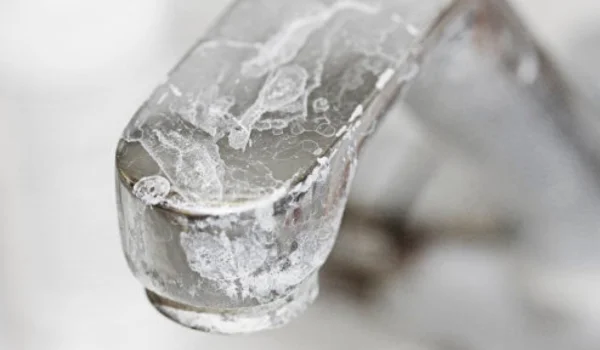
Hard water contains naturally occurring minerals that enter the water supply as it passes through rocks and soil. The higher the concentration of calcium and magnesium, the harder the water becomes.
Signs of hard water include:
- White limescale deposits on taps and showerheads
- Stiff or rough feeling laundry
- Soap that does not lather easily
- Spots or streaks on glassware and utensils
- Reduced water flow due to mineral buildup in pipes
If you notice these signs regularly, hard water is likely affecting your home.
How Hard Water Impacts Your Home
Causes Scale Buildup in Plumbing
One of the biggest problems caused by hard water is limescale accumulation inside pipes. Over time, this mineral buildup can restrict water flow, reduce water pressure, and increase the chances of plumbing repairs.
Reduces Appliance Efficiency
Appliances such as washing machines, dishwashers, and water heaters are particularly vulnerable to hard water. Mineral deposits collect on heating elements and internal components, making appliances work harder to deliver the same performance. This often results in higher electricity consumption and a shorter appliance lifespan.
Makes Cleaning More Difficult
Hard water reacts with soap to form soap scum instead of a rich lather. As a result, cleaning bathrooms, kitchen sinks, tiles, and glass surfaces becomes more challenging. You may also find yourself using more detergent and cleaning products than necessary.
Affects Clothes and Fabrics
Repeated washing in hard water can leave mineral residues on clothing. Fabrics may lose their softness, colours can appear dull, and white clothes may develop a greyish appearance over time.
How a Water Softener Helps
A water softener removes excess calcium and magnesium from the water through a process called ion exchange. This replaces hardness causing minerals with sodium or potassium ions, producing softer water for household use.
The benefits include:
Protects Plumbing and Appliances
Soft water helps prevent limescale formation, reducing wear on pipes and household appliances. This can improve efficiency and extend the life of your washing machine, dishwasher, and water heater.
Improves Cleaning Results
With soft water, soaps and detergents dissolve more effectively, making it easier to clean dishes, bathroom fittings, and household surfaces. It also reduces soap scum and water spots.
Keeps Clothes Softer
Laundry washed in soft water often feels softer and retains its colour and texture for longer. You may also need less detergent to achieve the same cleaning performance.
Supports Energy Efficiency
Since appliances do not have to work through layers of mineral deposits, they operate more efficiently. This can help reduce energy consumption over time, particularly for heating appliances.
Should You Install a Water Softener?
A water softener is particularly useful if your home receives hard groundwater or if you frequently notice limescale, appliance maintenance issues, or poor cleaning results. It is commonly installed at the main water inlet so that softened water is supplied throughout the house.
Keep in mind that a water softener is designed to remove hardness minerals but does not eliminate bacteria, viruses, or chemical contaminants. For safe drinking water, it should ideally be paired with a suitable water purifier.
Conclusion
Hard water may not seem like a major issue at first, but its effects become noticeable over time through scale buildup, reduced appliance performance, and increased cleaning effort. Installing a water softener helps protect your home’s plumbing and appliances while making everyday tasks more efficient. When combined with a quality water purifier for drinking water and a reliable water heater for daily comfort, it creates a more convenient and efficient home water system.