 By smartcubs
 Making pizza at home is easier than it may seem, but the flour you use can make a big difference to the final crust. Bread flour is often recommended for pizza because it contains more protein than regular flour, which helps create a stronger gluten structure.
For Indian home cooks, the comparison becomes especially useful because maida is much easier to find than bread flour. So, is bread flour really better for homemade pizza? The answer depends on the type of crust you want, your oven, and how you prepare the dough.
What Is Bread Flour?
Bread flour is a wheat flour with a relatively high protein content. The extra protein helps the dough develop more gluten when it is mixed and kneaded.
Gluten gives pizza dough its strength and elasticity. It allows the dough to stretch without tearing and helps it hold the gases produced during fermentation.
This can result in a pizza crust that is:
- Chewier
- More elastic
- Better structured
- Crisp on the outside
- Airier inside when properly fermented
Bread flour is particularly useful if you enjoy a chewy pizza crust rather than a soft, cake-like base.
How Bread Flour Changes Pizza Crust
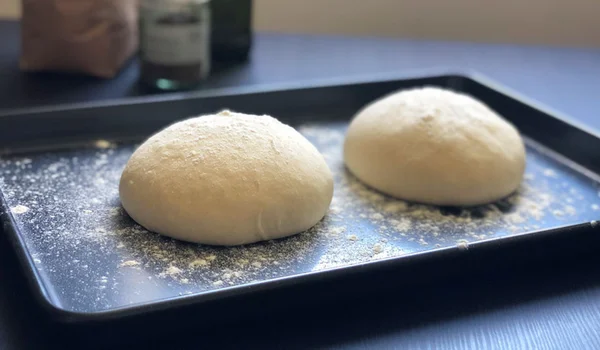
The main difference you may notice is the texture.
Because bread flour develops a stronger gluten network, pizza dough made with it can stretch well and produce a crust with more chew.
It can also help create a crust with better structure around the edges. With proper fermentation and high heat, the outer edge can become lighter and more airy.
However, flour alone does not determine the final crust. Hydration, fermentation time, kneading, shaping and baking temperature also have a major effect.
Bread Flour vs Maida for Pizza Dough
For Indian kitchens, maida is one of the most practical alternatives to bread flour.
| Feature | Bread Flour | Maida |
| Protein | Usually higher | Usually moderate |
| Gluten strength | Stronger | Moderate |
| Crust texture | Chewy and structured | Softer and more tender |
| Stretchability | Generally better | Good, depending on the flour |
| Availability in India | Less common | Very common |
| Best for | Chewy pizza crust | Soft to moderately crisp crust |
This does not mean maida cannot make excellent pizza. With good fermentation and a properly heated oven, maida can produce a very enjoyable homemade pizza crust.
Does Bread Flour Make Pizza Crust Crispy?
Not automatically.
Bread flour can contribute to a crust that is crisp on the outside while remaining chewy inside, but baking temperature and technique are extremely important.
A very hot oven helps the dough cook quickly and develop browning. If the oven is not hot enough, the pizza may take longer to bake and the crust can become dry before it develops the desired texture.
For home pizza making, preheating the oven thoroughly is therefore just as important as choosing the right flour.
Does Bread Flour Make Pizza More Chewy?
Yes, it can.
The stronger gluten structure created by higher-protein flour generally gives the crust more elasticity and chew.
If you like pizza with a crust that has some resistance when you bite into it, bread flour can be a good choice.
But excessive kneading, too little hydration or poor fermentation can make even bread-flour dough feel tough. The goal is to create a strong but well-fermented dough rather than simply adding more flour.
Bread Flour and Dough Hydration
Hydration means the amount of water used compared with the amount of flour.
Bread flour can often handle more water because its stronger gluten structure can support a wetter dough. A higher-hydration dough can produce a lighter and more open crust when handled correctly.
For beginners, however, an extremely wet dough can be difficult to shape.
A practical approach is to start with a moderate amount of water and adjust the dough based on the flour you are using. Different brands of flour can absorb water differently.
How to Make Pizza Dough With Bread Flour
A simple pizza dough can be made with:
- Bread flour
- Water
- Instant yeast
- Salt
- A small amount of olive oil, if desired
Basic Method
- Mix the flour, yeast and salt.
- Add water gradually and mix until a dough forms.
- Knead until the dough becomes smoother and elastic.
- Cover and allow it to ferment.
- Divide the dough into portions.
- Shape each portion into a ball.
- Allow the dough to rest before stretching.
- Shape the pizza without pressing all the air out of the edges.
- Add sauce and toppings.
- Bake in a thoroughly preheated oven.
Longer fermentation can improve both flavor and texture, although the exact fermentation time depends on the amount of yeast, temperature and recipe.
Can You Use Maida Instead of Bread Flour?
Yes. Maida is a perfectly reasonable choice for homemade pizza in India.
If you want a softer crust, maida may actually suit your preference better. If you want more chew and a stronger dough, bread flour is worth trying.
You can also experiment with a blend of flours rather than completely replacing one with another.
The important thing is to adjust the water because different flours absorb water differently.
Tips for Better Homemade Pizza Crust in India
Indian kitchens can have significantly different temperatures throughout the year, which can affect fermentation.
Keep these points in mind:
- Check the dough rather than relying only on the clock. Warm weather can speed up fermentation.
- Use a well-preheated oven. Pizza generally benefits from high heat.
- Do not overload the pizza. Too many wet toppings can make the center soggy.
- Give the dough enough resting time. Proper relaxation makes stretching easier.
- Avoid adding excessive flour while shaping. Too much extra flour can make the crust dry.
- Experiment with your oven. Every home oven behaves differently.
If you are using a small OTG, a pizza stone or steel can also help transfer more heat to the dough, although good results are possible without them.
What If Bread Flour Is Not Available?
You do not need to stop making pizza.
Regular maida can be used for homemade pizza dough. Focus on:
- Proper kneading
- Good fermentation
- Correct hydration
- Gentle shaping
- High baking temperature
- Avoiding excessive toppings
If you regularly make pizza and prefer a chewier crust, you can then experiment with bread flour or higher-protein flour.
Common Mistakes With Pizza Dough
Using Too Much Flour
Adding extra flour because the dough feels sticky can make the finished crust dense and dry. Instead, give the dough time to develop gluten and use lightly oiled or floured hands when necessary.
Not Preheating the Oven
Putting pizza into a cold or insufficiently heated oven can result in a pale, soft crust.
Rolling the Dough Too Aggressively
A rolling pin can push air out of the dough. For a more airy edge, gently stretch the dough with your hands.
Using Too Many Toppings
Heavy vegetables, excess sauce and large amounts of cheese can add moisture and weight to the pizza, making it harder to achieve a crisp base.
FAQs
Is bread flour better than maida for pizza?
Bread flour is generally better if you prefer a stronger and chewier crust. Maida can produce a softer and tender crust and is easier to find in India.
Can I make pizza with regular maida?
Yes. Maida can be used successfully for homemade pizza dough. Proper fermentation, hydration and high-temperature baking are important for good results.
Does bread flour make pizza crust tough?
It can if the dough is poorly hydrated, overworked or under-fermented. Proper hydration and fermentation can help produce a chewy rather than tough crust.
Can I mix bread flour and maida?
Yes. Combining the two can be a useful way to experiment with texture, especially if you want something between a very soft and very chewy crust.
Why is my homemade pizza crust not crispy?
Low oven temperature, too much moisture from toppings, insufficient preheating or an overly thick dough can all contribute to a soft crust.
Is bread flour necessary for homemade pizza?
No. Bread flour is useful but not essential. Good pizza can be made with maida or other suitable wheat flours when the dough and baking process are handled properly.
Final Thoughts
Bread flour can make a noticeable difference to homemade pizza dough, mainly by providing stronger gluten development and a chewier, more structured crust. However, it is not the only factor that matters.
For Indian home cooks, maida remains a convenient and useful option, especially when you want a softer homemade pizza base. If you prefer a chewier crust and can find good-quality bread flour, it is worth experimenting with.
Ultimately, the best pizza flour is the one that matches the crust you enjoy and works well with your oven and baking method.