 By smartcubs
 Making noodles at home is easy, but getting a thick, rich sauce to properly stick to the noodles can be a little tricky. Sometimes the sauce stays at the bottom of the bowl, while the noodles become dry or unevenly coated.
The good news is that a few simple cooking techniques can make a big difference. From choosing the right noodles to using pasta water and finishing the noodles directly in the sauce, you can create a smooth and well-coated dish at home.
Why Does Sauce Not Stick To Noodles?
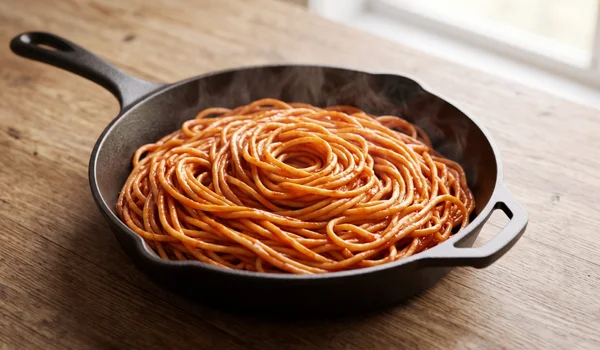
There are several reasons why sauce may slide off noodles:
- The noodles are too wet.
- Too much oil is used.
- The sauce is too thin.
- The noodles are not tossed with the sauce properly.
- The sauce and noodles are combined at the wrong temperature.
- The noodles have been rinsed after cooking.
The goal is to create enough starch, moisture, and heat to help the sauce cling to the noodles.
- Choose Noodles With a Good Surface
The type of noodle you use can affect how well the sauce sticks. Noodles with a slightly rough or porous surface generally hold thick sauces better than very smooth noodles.
For homemade meals, you can use:
- Spaghetti
- Penne
- Fusilli
- Macaroni
- Fettuccine
- Hakka noodles
- Instant noodles
For thick sauces, shapes with ridges, twists, or curves are especially useful because the sauce can settle into the surface.
- Do Not Overcook The Noodles
Overcooked noodles can become soft and lose their structure. They may also become less effective at holding a thick sauce.
Cook the noodles until they are firm but cooked through. If you are using pasta, cooking it slightly al dente can work particularly well because it continues cooking when mixed with the hot sauce.
- Save Some Starchy Cooking Water
This is one of the easiest tricks for getting sauce to stick.
Before draining your noodles, save about ½ to 1 cup of the cooking water.
The water contains starch released from the noodles. Adding a small amount to your sauce can help bring the sauce and noodles together instead of allowing the sauce to separate.
Add it gradually rather than pouring in a large amount at once.
- Do Not Rinse The Noodles
For most hot noodle dishes, avoid rinsing the cooked noodles under cold water.
Rinsing can remove some of the surface starch that helps the sauce cling to the noodles.
If you are making a cold noodle salad, rinsing may be useful. But for a hot, thick sauce, keeping some surface starch is usually better.
- Add The Noodles Directly To The Sauce
Instead of pouring sauce over noodles in a serving bowl, try adding the cooked noodles directly to the pan containing the sauce.
Keep the heat low and toss everything together for about 1–2 minutes.
This allows the sauce to coat the noodles more evenly and gives the noodles time to absorb some of the sauce.
- Use A Little Starchy Water
If your sauce is thick but refuses to coat the noodles, it may actually need a little moisture.
Add 1–2 tablespoons of reserved noodle water at a time while tossing.
The combination of starch, water, and heat helps create a smoother coating.
If the sauce becomes too thin, simply continue cooking for a short time until it reaches the consistency you want.
- Be Careful With Oil
Oil can make noodles glossy, but too much oil can prevent a thick sauce from sticking.
This is especially important when making noodles with a creamy, cheesy, tomato-based, or soy-based sauce.
Use enough oil to cook your ingredients, but avoid coating the noodles heavily with oil before adding the sauce.
- Thicken The Sauce Properly
If your sauce is naturally watery, it will be difficult to make it stick to noodles.
Depending on the recipe, you can thicken it by:
- Simmering it for a few extra minutes
- Adding tomato paste to tomato-based sauces
- Using a small amount of cornstarch slurry
- Adding cheese to creamy sauces
- Using cream or coconut milk when appropriate
- Reducing excess liquid before adding the noodles
Always add thickening ingredients gradually so the sauce does not become overly heavy.
- Toss, Don’t Just Stir
Tossing helps distribute the sauce across the entire surface of the noodles.
Add the noodles to the sauce and use tongs, chopsticks, or a large spoon to keep moving them through the pan.
For long noodles such as spaghetti or hakka noodles, lifting and turning them several times can help create an even coating.
- Finish The Noodles In The Sauce
One of the best techniques is to finish the noodles in the sauce instead of serving them immediately after draining.
Once the noodles are almost cooked, transfer them to the sauce. Add a small amount of cooking water and cook everything together for another minute or two.
This allows the noodles to absorb some of the sauce while the starch helps create a cohesive coating.
Quick Tips For Better Sauce Coverage
| Problem | What To Do |
| Sauce slides off | Add noodles directly to the sauce |
| Sauce is too watery | Simmer and reduce it |
| Sauce is too thick | Add a little starchy cooking water |
| Noodles are oily | Reduce the amount of oil |
| Noodles are too soft | Cook them slightly less |
| Sauce stays at the bottom | Toss noodles in the pan before serving |
| Noodles look dry | Add a small amount of sauce or cooking water |
| Sauce separates | Keep heat moderate and toss continuously |
A Simple Method To Try At Home
For a quick thick-sauce noodle dish, follow this basic method:
- Cook the noodles until just tender.
- Save some of the cooking water.
- Prepare your sauce in a large pan.
- Drain the noodles without rinsing them.
- Add the noodles directly to the sauce.
- Add 1–2 tablespoons of starchy water.
- Toss everything over low to medium heat.
- Continue for 1–2 minutes until the sauce coats the noodles.
- Adjust the seasoning and thickness.
- Serve immediately.
Final Thoughts
Getting thick sauce to stick to noodles is mostly about surface starch, sauce consistency, moisture, and proper mixing. You do not need complicated ingredients or special equipment.
Avoid rinsing hot noodles, do not use too much oil, save some starchy cooking water, and finish the noodles directly in the sauce. With these simple techniques, your noodles can have a much more even, rich, and satisfying coating.