 By smartcubs
 Salting pasta water is one of the simplest cooking steps, but it can make a noticeable difference to the final dish. The salt does not simply make the water taste salty. It seasons the pasta from the inside as it cooks, giving the noodles a better base flavor before sauce, cheese, vegetables, or other ingredients are added.
If you have ever wondered why chefs add salt to pasta water, the answer is mainly about seasoning and balance.
Does Salt Really Get Into Pasta?
Yes. As pasta cooks, water moves into the pasta. When the cooking water contains salt, some of that salt also moves into the pasta.
This means the pasta itself develops flavor instead of depending entirely on the sauce added later.
The effect is subtle, but it can make a simple pasta dish taste more balanced.
Why Does Salting Pasta Water Matter?
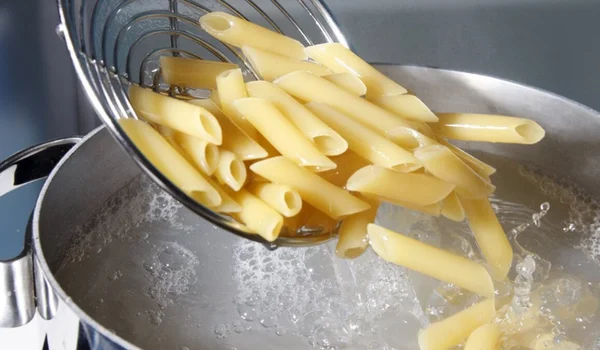
Unsalted pasta can taste surprisingly bland even when it is covered with a flavorful sauce.
Adding salt to the cooking water helps because:
- It seasons the pasta while it cooks.
- It improves the overall flavor of the dish.
- It makes sauces taste more balanced.
- It reduces the need to add excessive salt later.
- It helps simple pasta dishes taste less flat.
Think of pasta as one part of the complete dish. If the pasta has no seasoning at all, the sauce has to provide almost all of the flavor.
When Should You Add Salt?
Add salt to the water before adding the pasta, ideally once the water has come to a boil.
A simple process is:
- Fill a large pot with water.
- Bring it to a boil.
- Add salt.
- Stir to dissolve it.
- Add the pasta.
- Cook according to the package directions or your preferred texture.
Adding the salt before the pasta gives the cooking water time to become evenly seasoned.
How Much Salt Should You Use?
There is no single perfect amount because the ideal level depends on the amount of water, type of pasta, and the sauce you are preparing.
A practical approach is to make the water noticeably seasoned but not unpleasantly salty.
If your sauce already contains salty ingredients such as:
- Parmesan
- Pecorino
- Olives
- Anchovies
- Bacon
- Sausage
- Soy sauce
you may want to use less salt in the cooking water.
The goal is to season the entire dish without making it overly salty.
Does Salt Make Pasta Taste Better?
Salt does not add a complicated new flavor to pasta. Instead, it helps bring out the pasta’s natural wheat flavor.
This becomes particularly noticeable in simple dishes where pasta is a major part of the meal.
For example, pasta served with olive oil, garlic, butter, or a light tomato sauce benefits more noticeably from properly seasoned pasta than a dish containing a very intense sauce.
What Happens If You Don’t Salt Pasta Water?
Nothing is technically wrong with cooking pasta in unsalted water. The pasta will still cook normally.
However, the finished pasta may taste bland or less flavorful.
You can add more salt to the sauce afterward, but this does not provide exactly the same result because you are seasoning the sauce rather than the pasta itself.
Does Salt Change The Texture Of Pasta?
Salt is primarily added for flavor, not texture.
The biggest factors affecting pasta texture are:
- Cooking time
- Amount of water
- Pasta type
- Water temperature
- Stirring
- When the pasta is removed from the heat
So you should not add salt simply because you want firmer pasta. Add it because you want better seasoning.
Can You Use Salt In Fresh Pasta Water?
Yes. Fresh pasta can also be cooked in salted water.
Because fresh pasta generally cooks much faster than dried pasta, keep an eye on it and remove it when it reaches the desired texture.
Salted water can be especially useful for simple fresh pasta dishes where the pasta’s own flavor is more noticeable.
What About Pasta Water Used In The Sauce?
This is another important benefit of cooking pasta in salted water.
When you reserve some pasta water before draining, you get a combination of water, starch, and seasoning.
A small amount can be added to sauces to help bring the sauce and pasta together. The starch can contribute to a smoother texture, while the seasoning helps maintain the flavor of the dish.
However, remember that the reserved water already contains salt, so taste the sauce before adding additional seasoning.
Common Mistakes When Salting Pasta Water
Adding Salt After Cooking
Adding salt to the finished pasta does not season it in the same way as cooking it in salted water.
Using Excessive Salt
More salt does not automatically mean better pasta. Too much can make the entire dish unpleasantly salty.
Forgetting About A Salty Sauce
If your sauce contains cheese, cured meat, olives, or other salty ingredients, adjust the amount of salt accordingly.
Adding Pasta Before The Water Is Ready
For most dried pasta, wait until the water reaches a proper boil before adding the pasta and begin cooking according to the package instructions.
Salted vs Unsalted Pasta Water
| Feature | Salted Water | Unsalted Water |
| Pasta flavor | Better seasoned | More neutral |
| Sauce balance | Easier to balance | Sauce does most of the seasoning |
| Pasta cooking | Normal | Normal |
| Texture | Not significantly changed by normal amounts | Not significantly changed |
| Best use | Most savory pasta dishes | When strict sodium control is needed |
Final Thoughts
Salting pasta water is a small step that can improve the overall flavor of a pasta dish. The salt seasons the pasta while it cooks, so every bite has flavor rather than relying only on the sauce.
Use a reasonable amount, consider how salty your sauce and toppings are, and remember to reserve some cooking water before draining. When combined with a well-seasoned sauce, properly salted pasta can make a simple homemade meal taste much more complete.